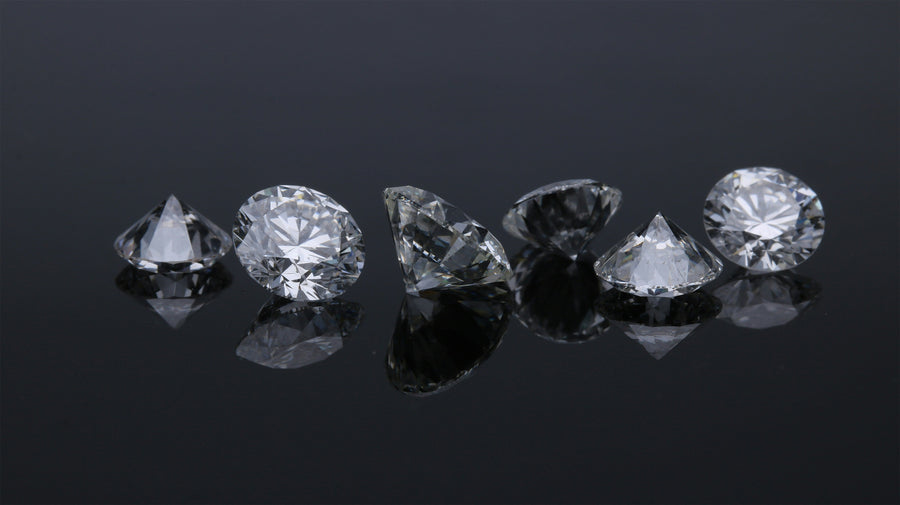
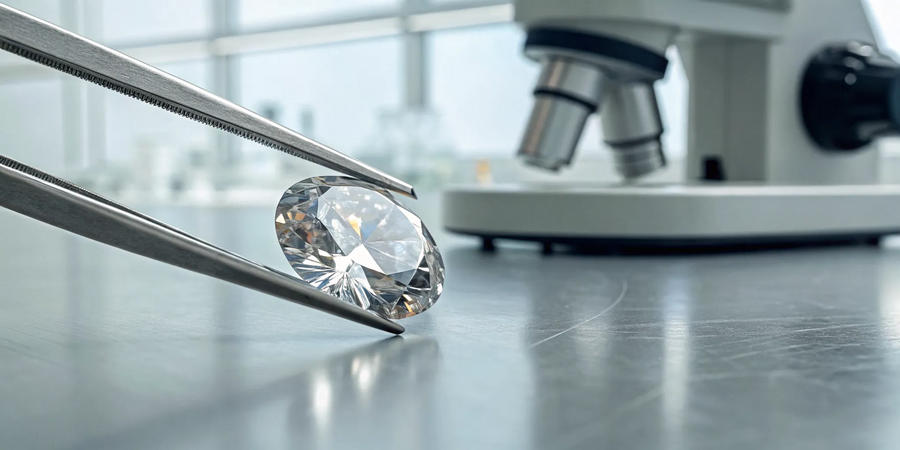
Lab-grown diamonds are changing the way people buy diamond jewellery. Today, buyers can enjoy the beauty, brilliance, and durability of diamonds while exploring more affordable options. From elegant engagement rings to diamond pendants, earrings, and tennis bracelets, lab-grown diamonds offer exciting possibilities for modern jewellery lovers.
But why do lab-grown diamonds cost less than natural diamonds? Are they real diamonds? And why is choosing a lab-grown diamond a smart decision for buyers?
In this guide, MELBORI JEWELS explains the reasons behind lab-grown diamond prices and how buyers can make informed jewellery purchases.
What Are Lab-Grown Diamonds?
Lab-grown diamonds are real diamonds created using advanced technology in controlled laboratory environments. They have essentially the same chemical composition, crystal structure, and optical properties as natural diamonds formed beneath the Earth's surface.
The main difference is their origin. Natural diamonds develop through geological processes over millions or billions of years, while lab-grown diamonds are produced in weeks using specialised equipment.
Two common methods are used to create lab-grown diamonds:
-
CVD (Chemical Vapour Deposition): Carbon-containing gas is used to deposit carbon atoms onto a diamond seed, gradually building a diamond crystal.
-
HPHT (High Pressure High Temperature): High pressure and high temperature recreate conditions that help carbon form a diamond crystal.
Both methods can produce high-quality diamonds suitable for fine jewellery.
Why Do Lab Diamonds Cost Less Than Natural Diamonds?
Lab-grown diamonds generally cost less because their production and supply economics differ from those of natural diamonds. Here are the main reasons.
1. Advanced Technology Makes Production More Efficient
Natural diamonds require geological conditions and extensive exploration before they can be discovered and extracted. Lab-grown diamonds are produced using specialised technology in controlled environments.
Although laboratory production requires significant investment in equipment, energy, skilled professionals, and quality control, technological improvements have made it possible to produce diamonds more efficiently.
As production methods improve, the cost of manufacturing many lab-grown diamonds has decreased.
2. A More Flexible Supply Chain
Natural diamonds depend on mining operations, geological discoveries, extraction, sorting, and distribution. These activities can involve substantial infrastructure and logistical expenses.
Lab-grown diamonds follow a different supply chain, beginning with controlled production and continuing through cutting, polishing, grading, and jewellery manufacturing.
This different production model can support greater supply flexibility, contributing to lower market prices.
3. Supply and Demand Influence Prices
One of the most important reasons lab-grown diamonds cost less is the changing balance between supply and demand.
As more manufacturers have developed the ability to produce lab-grown diamonds, the available supply has increased. Competition among producers and sellers has also placed downward pressure on prices.
Natural diamonds have a different supply structure, with prices influenced by mining supply, consumer demand, diamond characteristics, and market conditions.
As a result, similar-looking lab-grown and natural diamonds can have significantly different prices.
4. Natural Diamonds Have a Different Market History
Natural diamonds have long been associated with rarity, tradition, and established jewellery markets. Their prices reflect not only physical characteristics but also supply conditions and consumer perceptions.
Lab-grown diamonds are a newer, technology-driven category. Their prices are more directly influenced by manufacturing costs, production capacity, and competition.
This difference helps explain why two diamonds with similar visual characteristics can have very different price tags.
5. Lower Prices Create More Competition
The growth of lab-grown diamonds has encouraged more businesses to enter the market. Greater competition can give buyers more choices in diamond shapes, sizes, settings, and jewellery designs.
For consumers, this can mean more opportunities to compare prices and find jewellery that suits their style and budget.
However, prices vary between sellers, so comparing equivalent diamond specifications is essential.
Why Lower Lab Diamond Prices Are Good for Buyers
A lower price does not mean buyers have to give up the beauty of diamond jewellery. Instead, it can create more flexibility when choosing a piece.
1. Get a Larger Diamond Within Your Budget
One of the biggest advantages of lab-grown diamonds is the opportunity to choose a larger diamond for the same budget, depending on current prices and the diamond's quality.
For example, someone shopping for an engagement ring may be able to explore a larger centre stone or a more detailed setting without increasing their budget as much as they might when purchasing a comparable natural diamond.
The best choice depends on personal preference: some buyers prioritise carat weight, while others prefer cut quality, colour, or clarity.
2. Choose Better Designs and More Detailed Settings
When a larger portion of your budget does not have to go toward the centre diamond, you may have more flexibility to explore different jewellery designs.
You could consider:
-
A solitaire engagement ring with a larger centre stone.
-
A diamond halo ring with additional sparkle.
-
A diamond tennis bracelet for special occasions.
-
A delicate diamond pendant for everyday wear.
-
Elegant diamond earrings for weddings and celebrations.
The final price will also depend on gold purity, gold weight, craftsmanship, setting complexity, and any additional gemstones.
3. Make Diamond Jewellery More Accessible
Traditional diamond jewellery may not fit every buyer's budget. Lab-grown diamonds provide another option for people who want genuine diamond jewellery at a lower purchase price.
Whether you are buying a first diamond ring, celebrating an anniversary, planning a proposal, or selecting a gift, lab-grown diamonds can help make the purchase more accessible.
4. Enjoy the Same Essential Diamond Properties
Lab-grown diamonds are real diamonds, not diamond simulants such as cubic zirconia or moissanite.
They share the essential physical and chemical characteristics of natural diamonds, including their hardness and brilliance. Both can be cut into popular shapes such as round, oval, emerald, pear, princess, and radiant.
Their appearance and performance depend on factors such as cut quality, clarity, colour, and craftsmanship.
5. Explore More Options Without Overspending
An affordable diamond does not have to mean a basic design. Lab-grown diamonds can be used in modern, classic, minimalist, and elaborate jewellery styles.
Buyers can explore different diamond shapes, gold colours, and settings while keeping their overall budget in mind.
For jewellery lovers who value design and appearance, this flexibility is one of the most attractive benefits of lab-grown diamonds.
Are Lab-Grown Diamonds Real Diamonds?
Yes. Lab-grown diamonds are real diamonds.
They have essentially the same crystal structure and chemical composition as natural diamonds. The difference is how and where they form.
Natural diamonds develop underground through geological processes, while lab-grown diamonds are produced using technological processes such as CVD and HPHT.
Although they can look identical to the unaided eye, specialised gemological testing can distinguish their growth characteristics and origin.
When purchasing a lab-grown diamond, look for reliable documentation that clearly identifies it as laboratory-grown rather than natural.
Lab-Grown Diamonds vs Natural Diamonds: What's the Difference?
| Feature | Lab-Grown Diamonds | Natural Diamonds |
|---|---|---|
| Origin | Produced in a laboratory | Formed naturally underground |
| Material | Real diamond | Real diamond |
| Chemical composition | Essentially the same | Essentially the same |
| Appearance | Can look identical | Can look identical |
| Hardness | 10 on the Mohs scale | 10 on the Mohs scale |
| Typical purchase price | Generally lower | Generally higher |
| Price factors | Production costs, supply, demand, quality | Mining supply, demand, quality, market conditions |
| Resale value | Often lower relative to purchase price | Varies; resale is not guaranteed |
Important: Neither category has a single fixed price. Diamond quality, size, shape, certification, seller pricing, and market conditions all affect the final cost.
Do Lab-Grown Diamonds Hold Their Value?
This is an important question for buyers.
Lab-grown diamonds typically experience substantial retail price reductions as production technology improves and supply increases. Their resale prices can therefore be considerably lower than their original purchase prices.
Natural diamonds can also sell for less than their original retail price, depending on the stone and the resale market.
If your main goal is to purchase jewellery for personal enjoyment, everyday styling, or a meaningful occasion, a lab-grown diamond may offer excellent value for the purchase price.
However, if investment or future resale is your primary concern, remember that diamonds are not guaranteed investments. Consider the likely resale market before making a purchase.
Are Lab-Grown Diamonds a Good Choice for Engagement Rings?
For many couples, yes.
Lab-grown diamonds offer the appearance and essential physical properties of natural diamonds while providing more room in the budget for a preferred size, shape, or setting.
Popular options include:
-
Solitaire rings: Timeless designs that highlight a single diamond.
-
Oval engagement rings: Elegant shapes that create an elongated appearance.
-
Emerald-cut rings: Sophisticated styles with clean lines and step-cut facets.
-
Toi et Moi rings: Designs featuring two diamonds together.
-
Halo rings: Settings that surround the centre diamond with smaller stones.
Before choosing a ring, compare the diamond's grading details, the quality of its cut, the setting, and the documentation supplied by the seller.
How to Buy Lab-Grown Diamonds Wisely
Lower prices are beneficial, but buyers should still make informed decisions. Use these tips when shopping for lab-grown diamond jewellery.
Check the 4Cs
The four main diamond quality factors are:
-
Cut: Influences brilliance, sparkle, and light performance.
-
Colour: Describes the degree of colourlessness in colour-graded diamonds.
-
Clarity: Evaluates internal characteristics and surface features.
-
Carat: Measures the diamond's weight, not its physical dimensions alone.
Rather than choosing the highest grade in every category, decide which characteristics matter most to you and compare stones within your budget.
Ask for a Diamond Grading Report
For a significant purchase, request a grading report from a reputable gemological laboratory. Confirm that it identifies the stone as laboratory-grown and accurately describes its characteristics.
A grading report helps you compare diamonds, but it does not automatically guarantee a particular resale value or retail price.
Compare the Complete Jewellery Price
The diamond is only one part of a finished jewellery piece. Check the gold purity, gold weight, setting design, manufacturing charges, taxes, and any additional stones.
Comparing the complete product price provides a clearer picture of value than comparing diamond prices alone.
Buy From a Trusted Jeweller or Manufacturer
Choose a seller who provides clear product descriptions, transparent pricing, accurate diamond documentation, and suitable after-sales support.
If you are purchasing customised jewellery, ask about design approval, production timelines, resizing options, and warranty or repair terms before placing your order.
Are Lab-Grown Diamonds a More Sustainable Choice?
Lab-grown diamonds avoid the need for diamond mining, which can be an important consideration for some buyers. However, they still require energy, equipment, and manufacturing resources.
Their environmental impact depends on factors such as electricity sources, production efficiency, and manufacturing practices. Natural diamond mining also has environmental impacts that vary by location and operation.
Rather than assuming one option is always more sustainable, look for credible, specific information about production methods and environmental claims.
Final Thoughts: Lower Prices, More Possibilities
Lab-grown diamonds have made diamond jewellery more accessible to a wider range of buyers. Their lower prices are largely driven by technological production, increasing supply, and market competition.
For buyers, this can mean more flexibility when choosing an engagement ring, a diamond pendant, elegant earrings, or a statement bracelet.
The best diamond is the one that matches your priorities, style, and budget. Compare quality, check the documentation, understand the complete jewellery price, and choose a design you will enjoy wearing.
At MELBORI JEWELS, we believe that choosing diamond jewellery should be an informed and personal experience. Explore the possibilities of lab-grown diamond jewellery and discover designs that bring together brilliance, craftsmanship, and value.